


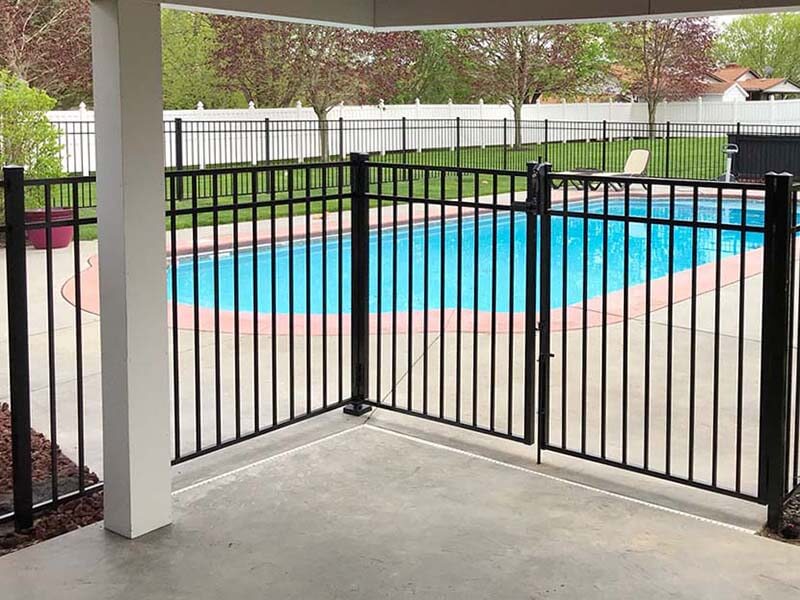
Penn Fencing installs vinyl and aluminum pool fences that meet national safety codes.
The summer season is almost upon us, and many families will be spending their days cooling off in the pool. While pools are a great source of fun and relaxation, they can also be dangerous, particularly for children. Every year, thousands of children around the world drown in pools, and many of these accidents could have been prevented by simple measures like installing a fence. In this blog post, we’ll discuss the importance of pool fencing in preventing childhood drowning and offer tips for keeping your pool safe.
Why Is Pool Fencing Important?
Drowning is the leading cause of accidental death in children under five years old, and the majority of these accidents occur in swimming pools. One of the most effective ways to prevent drowning is to install a fence around the pool. A fence provides a physical barrier that prevents young children from accessing the pool area unsupervised. This is especially important because children are naturally curious and may be drawn to the pool even if they can’t swim.
Pool fencing can also help keep out unwanted guests, such as animals or trespassers, and prevent accidental falls into the water. By ensuring that the pool is only accessible to those who are authorized, the risk of accidents is significantly reduced.
Tips for Keeping Your Pool Safe
Installing a fence around your pool is a great first step toward ensuring it is safe for everyone to use. Here are some additional tips to help you keep your pool secure:
-
Install a pool cover: In addition to fencing, consider adding a pool cover. A cover provides another layer of protection and helps prevent accidental falls into the water.
-
Check your gate hardware regularly: Use approved, self-closing, and self-latching hardware, and test it often. A hinge that isn’t adjusted properly or a latch that doesn’t connect fully can leave your gate ajar—an open invitation for accidents.
-
Secure doors leading to the pool area: If doors from your home open directly into the pool area, keep them locked or install audible alarms that sound when opened.
-
Keep toys and floats away from the fence: Children may be tempted to climb toys or floats placed near the fence, so store them in a separate area.
-
Enforce pool rules: Make sure everyone understands and follows safety rules, such as no running near the pool and always supervising children.
-
Learn CPR: In an emergency, knowing CPR can save a life. Take a certified course so you’re prepared.
Conclusion
A pool fence is a crucial safety feature that, when combined with other precautions, can help prevent childhood drowning. By providing a physical barrier that keeps young children out of the pool area, fencing greatly reduces the risk of accidents. Along with regular gate checks, securing doors, and enforcing rules, you can make your pool a safe and enjoyable space for everyone.
